


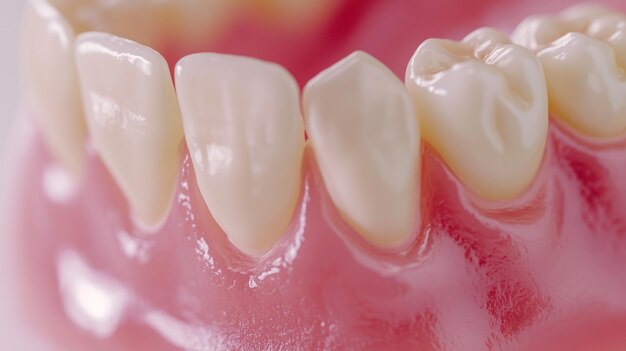
Bulimia can affect oral health over time. Repeated exposure to stomach acid may gradually weaken tooth enamel, which can increase sensitivity and make teeth more vulnerable to damage.
At the Centre for Advanced Dentistry & Implantology, care related to bulimia focuses on protecting the teeth and managing the effects of enamel erosion. Treatment is approached with sensitivity and discretion, recognising the personal nature of the condition.
How does bulimia affect oral health?
Frequent exposure to gastric acid can soften and thin tooth enamel. Over time, this erosion may alter the tooth surface and reduce its natural protective layer.
As enamel wears away, teeth may become more sensitive and more prone to further damage. Changes to bite balance can also occur as tooth structure is lost.
When might dental care be recommended?
Dental care may be recommended if you notice increased tooth sensitivity or visible changes in tooth shape. Some patients also experience a change in how their bite feels during everyday use.
Early assessment allows protective measures to be introduced before erosion progresses further.
What is the focus of treatment?
Treatment focuses on protecting remaining enamel and restoring areas affected by erosion. The approach depends on the extent of damage and your current oral health.
Care may involve protective restorations or adjustments to existing dental work. Guidance may also be provided to help reduce further enamel exposure and support stability over time.
What can you expect during treatment?
Treatment begins with a careful examination of the teeth and bite. Digital scans may be used to assess enamel loss and plan appropriate care.
Where restoration is needed, procedures are completed in planned stages to preserve natural tooth structure and support comfort. Follow-up visits help monitor changes and protect treatment outcomes.
FAQs
Lost enamel cannot be replaced naturally, but further erosion can be slowed and affected areas can be restored to improve comfort and function.
Treatment is planned carefully and carried out with appropriate pain control. Sensitivity is managed throughout care.
Sharing relevant health information allows care to be planned safely and appropriately. All discussions are handled with care and confidentiality.
Yes. Restorative treatment can improve the appearance of teeth while supporting comfort and everyday function.
Book Your Appointment
Dental care related to bulimia focuses on protecting teeth and restoring comfort over time. Book a consultation at the Centre for Advanced Dentistry & Implantology to discuss confidential, supportive care suited to your needs.
Book an Appointment