

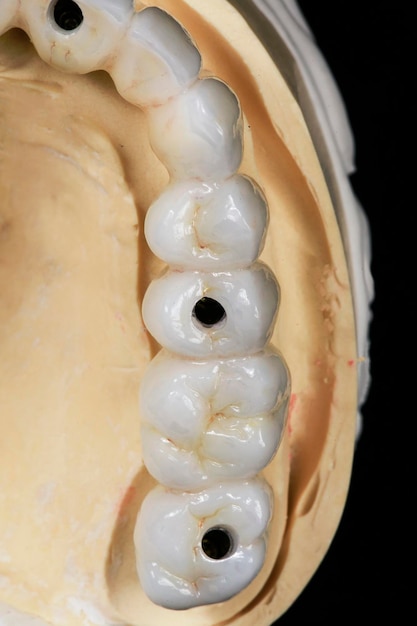
When several teeth are affected, the way your mouth functions can start to change. Chewing may feel uneven, or you may become more aware of your bite during meals.
Oral rehabilitation looks at how the teeth and jaws function as a whole. Instead of focusing on a single tooth, treatment is planned by assessing what is still present and what needs support so daily use feels steadier and more predictable.
What is full and partial oral rehabilitation?
Oral rehabilitation restores how the mouth functions as a whole, rather than treating individual teeth in isolation. The aim is to improve comfort and stability so eating and speaking feel natural again.
Full oral rehabilitation is considered when extensive treatment is needed across much of the mouth due to wear, damage, or tooth loss. Partial oral rehabilitation focuses on specific areas where function has been affected, while healthy teeth continue to provide support.
Treatment is planned around how your mouth currently functions. The focus is on existing structures and areas under strain, so changes can be made gradually and with control.
When might oral rehabilitation be recommended?
Oral rehabilitation may be considered when chewing feels uncomfortable or when your bite no longer feels reliable. It is often discussed when changes in the teeth or previous dental treatment begin to interfere with how the mouth functions from day to day.
By addressing the mouth as a whole, rehabilitation allows changes to be made in a controlled and balanced way.
What are the benefits of oral rehabilitation?
The main goal is to make everyday use of the mouth feel more manageable. Chewing often feels less uneven, and certain teeth are no longer carrying more load than others.
By addressing how the teeth work together, rehabilitation can help limit further wear and reduce ongoing strain on areas that have already been affected.
What can you expect during treatment?
Treatment begins with a detailed assessment, including digital scans and evaluation of how your bite functions. This allows your clinician to plan treatment accurately and in the correct sequence.
Restorative procedures are then completed in planned stages, with progress reviewed throughout to ensure comfort and balance are maintained. Once treatment is complete, follow-up visits help protect the longevity of your restorations and support ongoing oral health.
FAQs
The duration depends on how much treatment is required. Partial rehabilitation may be completed within a few months, while full rehabilitation usually takes longer and is completed in structured stages.
Procedures are carried out using local anaesthesia where needed. Any discomfort is usually temporary and managed carefully throughout treatment.
Yes. Many patients notice that their bite feels more stable and comfortable once treatment is complete.
With good oral hygiene and regular dental reviews, restorations used in oral rehabilitation are designed to provide long-term support.
Yes. Dental implants are often included when missing teeth need to be replaced as part of a rehabilitation plan.
Book Your Appointment
Full and partial oral rehabilitation offers a structured way to restore comfort and function when multiple teeth are affected. Book a consultation at the Centre for Advanced Dentistry & Implantology to discuss a treatment approach suited to your needs.
Book an Appointment