

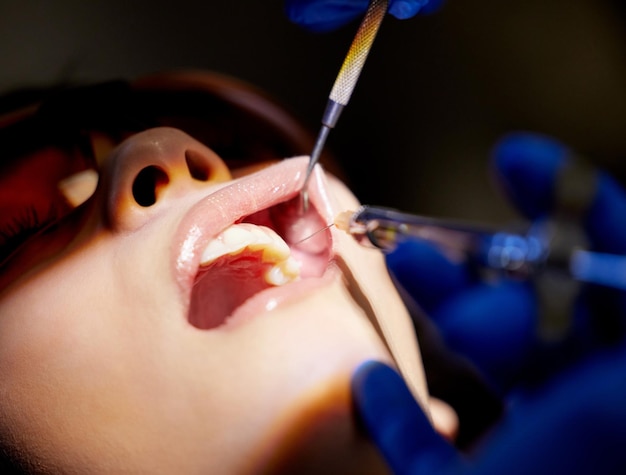
Treatment for conditions involving the mouth or jaw can change how a person eats or speaks. After surgery, there may be gaps or changes in the palate that affect everyday function.
Prosthodontic care in these cases focuses on restoring basic oral function using custom prosthetic devices, such as obturators. These are planned around the surgical outcome and adjusted over time to support comfort as healing progresses.
What is oncology-related prosthodontic care?
Oncology-related prosthodontic care involves the design and fitting of custom oral prostheses for patients who have undergone surgery affecting the oral structures. These prostheses help restore oral function and compensate for structural changes following treatment.
This care focuses on rehabilitation rather than cancer treatment itself and may be provided in coordination with the wider medical team where appropriate.
What is an obturator?
An obturator is a custom-made oral prosthesis used to close an opening between the oral and nasal cavities. Such openings may occur following surgical procedures involving the palate or surrounding areas.
By closing this space, an obturator helps improve speech clarity and swallowing while reducing the passage of food or liquids into the nasal cavity. Each obturator is designed to fit securely and remain comfortable during daily use.
When might an obturator be recommended?
An obturator may be recommended after surgery that results in a defect affecting the palate or upper jaw. It is often used when surgical reconstruction is not immediately suitable or when a removable prosthetic solution is considered the most appropriate option.
The timing and design of the obturator depend on the extent of surgery and individual healing patterns. In some cases, an initial obturator is provided during early healing and later replaced once the tissues have stabilised.
What are the benefits of obturator treatment?
Obturator treatment supports oral function following surgery. Many patients notice improved speech clarity and greater ease when swallowing. The prosthesis can also help maintain facial support and reduce discomfort associated with changes to the oral structure.
Careful design and ongoing review help ensure the obturator continues to function effectively over time.
What can you expect during treatment?
Treatment begins with a detailed assessment of the surgical site and surrounding oral structures. Impressions or digital scans are used to design a prosthesis that fits accurately and supports function.
Once fabricated, the obturator is fitted and adjusted to improve comfort and stability. Follow-up visits allow for refinement as healing progresses and oral tissues change. Ongoing reviews are important to ensure the prosthesis remains comfortable and continues to meet functional needs.
FAQs
Some obturators are intended for temporary use during healing, while others are designed for longer-term support. This depends on surgical outcomes and individual requirements.
The purpose of an obturator is to improve speech by closing abnormal openings. A short adjustment period is common as patients adapt to the device.
The prosthesis is custom-made to fit your mouth. Mild awareness is normal initially and usually improves after adjustments.
You will receive clear guidance on cleaning and care. Regular cleaning and review appointments help maintain comfort and hygiene.
Book Your Appointment
Oncology-related prosthodontic care and obturator treatment aim to restore oral function and support comfort following surgery. Book a consultation at the Centre for Advanced Dentistry & Implantology to discuss rehabilitation options suited to your needs.
Book an Appointment